Check out our CEO Ryan on the Enterprise Security Weekly Podcast. The live conversation with host Paul Asadoorian featured a demo of Material and covered topics including why email is both a vector and a treasure trove for hackers and why a perimeter-only approach to security actually creates more risk and vulnerability than it mitigates.
Enterprise Security Weekly Podcast: Ryan Noon
Check out our CEO Ryan on the Enterprise Security Weekly Podcast. The live conversation with host Paul Asadoorian featured a demo of Material and covered topics including why email is both a vector and a treasure trove for hackers and why a perimeter-only approach to security actually creates more risk and vulnerability than it mitigates.


Frequently Asked Questions
Find answers to common questions and get the details you need.
Related posts
Our blog is your destination for expert insights, practical tips, and the latest news in technology. Stay informed with our regular updates and in-depth articles. Join the conversation and enhance your understanding of the tech landscape.
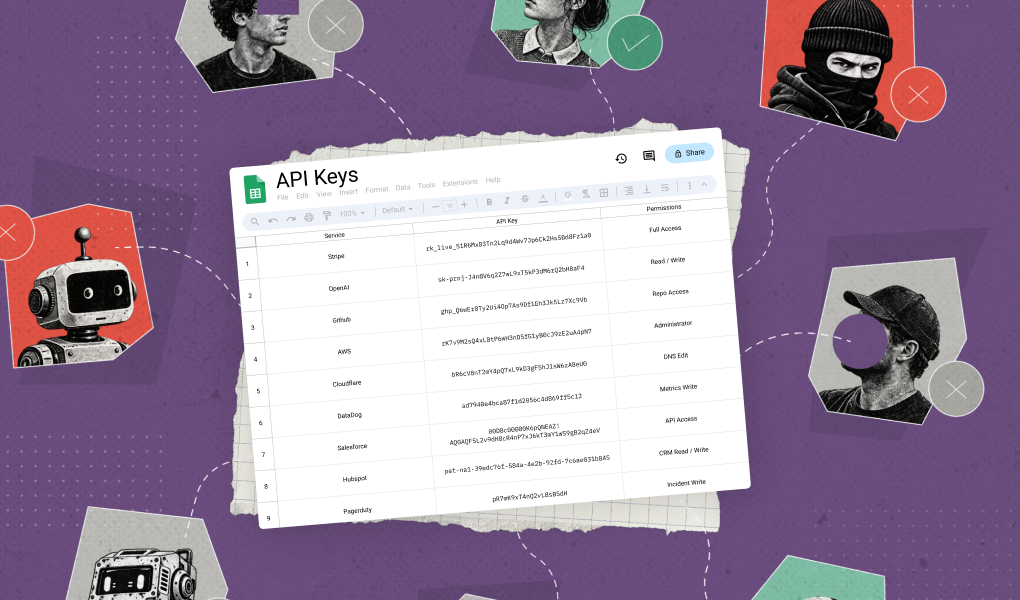
The Legacy OAuth Detection Model Doesn't Survive AI Agents
Traditional OAuth governance fails against AI agents because their unpredictable, prompt-driven behavior is invisible at the grant layer, requiring security teams to pivot to real-time activity-layer detection.
The Legacy OAuth Detection Model Doesn't Survive AI Agents
Traditional OAuth governance fails against AI agents because their unpredictable, prompt-driven behavior is invisible at the grant layer, requiring security teams to pivot to real-time activity-layer detection.
The Legacy OAuth Detection Model Doesn't Survive AI Agents
Traditional OAuth governance fails against AI agents because their unpredictable, prompt-driven behavior is invisible at the grant layer, requiring security teams to pivot to real-time activity-layer detection.
The Legacy OAuth Detection Model Doesn't Survive AI Agents
Traditional OAuth governance fails against AI agents because their unpredictable, prompt-driven behavior is invisible at the grant layer, requiring security teams to pivot to real-time activity-layer detection.
Try Material Free for 7 Days
See and secure the risks in your cloud workspace today.
Try Material Free for 7 Days
See and secure the risks in your cloud workspace today.
Try Material Free for 7 Days
See and secure the risks in your cloud workspace today.
Try Material Free for 7 Days
See and secure the risks in your cloud workspace today.
Try Material Free for 7 Days
See and secure the risks in your cloud workspace today.
Healthcare's Email Breach Problem Is a Supply Chain Problem
The second in a series analyzing HIPAA breach data from the HHS Office for Civil Rights.
Healthcare's Email Breach Problem Is a Supply Chain Problem
The second in a series analyzing HIPAA breach data from the HHS Office for Civil Rights.
Healthcare's Email Breach Problem Is a Supply Chain Problem
The second in a series analyzing HIPAA breach data from the HHS Office for Civil Rights.
Healthcare's Email Breach Problem Is a Supply Chain Problem
The second in a series analyzing HIPAA breach data from the HHS Office for Civil Rights.
Healthcare's Email Breach Problem Is a Supply Chain Problem
The second in a series analyzing HIPAA breach data from the HHS Office for Civil Rights.
We Analyzed 702 HIPAA Breaches. The Problem Isn't the Phish — It's What's Already in the Inbox.
An analysis of 702 HIPAA breaches reported to HHS — and the control gap most organizations are missing.
We Analyzed 702 HIPAA Breaches. The Problem Isn't the Phish — It's What's Already in the Inbox.
An analysis of 702 HIPAA breaches reported to HHS — and the control gap most organizations are missing.
We Analyzed 702 HIPAA Breaches. The Problem Isn't the Phish — It's What's Already in the Inbox.
An analysis of 702 HIPAA breaches reported to HHS — and the control gap most organizations are missing.
We Analyzed 702 HIPAA Breaches. The Problem Isn't the Phish — It's What's Already in the Inbox.
An analysis of 702 HIPAA breaches reported to HHS — and the control gap most organizations are missing.
We Analyzed 702 HIPAA Breaches. The Problem Isn't the Phish — It's What's Already in the Inbox.
An analysis of 702 HIPAA breaches reported to HHS — and the control gap most organizations are missing.
Automating OAuth Grant Management: Material’s Research Shows the Growing Gap between Awareness and Action
New research from Material reveals a growing gap between awareness and action in OAuth security, as organizations struggle to manage app access, automation, and emerging risks like AI agents.
Automating OAuth Grant Management: Material’s Research Shows the Growing Gap between Awareness and Action
New research from Material reveals a growing gap between awareness and action in OAuth security, as organizations struggle to manage app access, automation, and emerging risks like AI agents.
Automating OAuth Grant Management: Material’s Research Shows the Growing Gap between Awareness and Action
New research from Material reveals a growing gap between awareness and action in OAuth security, as organizations struggle to manage app access, automation, and emerging risks like AI agents.
Automating OAuth Grant Management: Material’s Research Shows the Growing Gap between Awareness and Action
New research from Material reveals a growing gap between awareness and action in OAuth security, as organizations struggle to manage app access, automation, and emerging risks like AI agents.
Automating OAuth Grant Management: Material’s Research Shows the Growing Gap between Awareness and Action
New research from Material reveals a growing gap between awareness and action in OAuth security, as organizations struggle to manage app access, automation, and emerging risks like AI agents.